
You need to be a great employee to keep a job and have a career. Some employees are destroying value. Others are building it. We take a look at what is the difference and how you can place yourself as an autistic person in a competitive and rewarding position.
It has become popular to portrait autistic employees as having certain superior abilities, but it is also a fact that most autistic employees still have serious problems to keep a job and have a career.
Engagement levels
A global management consulting company (McKinsey) recently made a study of how many employees are satisfied and committed (engaged employees) and those who are not (disengaged employees). A shocking half of employees are disengaged, and one-tenth, the Disruptors, are acting outright destructively. On the better end of the engagement scale, are the regular productive employees and a smaller group of Star performers.


[diagrams by McKinsey]
The key is to belong to the productive groups in order to keep a job and to have a career. Now, how do you become part of the engaged ones? It is by experiencing satisfaction and commitment. The answer lies in motivation.
Motivators
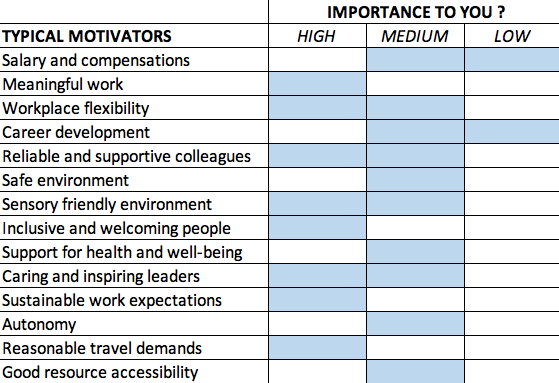
Below is a list of some frequently quoted engagement motivators, and we marked in blue according to what many autistic people might need. But, this is an individual matter, so please rate which are the most important factors to you. It can help you to chose the most suitable employer or determine if you have a real chance of staying engaged where you are currently.
.
Meaningful work is linked to the special interests of an autistic employee and a significant part of the employee’s value creation. So, it is critical to maintain your development of related skills, evolving with the changes in the relevant domains, like technologies and tools. Becoming an office dinosaur is not going to make it over time.
Which type are you?
Reliable and committed employees are in general motivated by meaningful work and flexibility, in an environment of supportive, collaborating colleagues.

Autistic employees usually also need active inclusion, some sensory related work place adjustments, receive clearly stated objectives, and reduced social interaction expectations. They must remember to hold their colleagues accountable for deliverables that impact them. Being too kind and forgiving, and doing other peoples’ work, is not what an employer needs.
Some autistic employees are Star performers. It is true that autistic people are generally more able to develop deep expertise (special interests) and task precision in a domain useful to the employer. Loyalty, honesty and other pro-social (socially constructive) behaviours are also typical and they can help foster a culture of trust, transparency and even help reduce toxic behaviours of colleagues.

However, it can be harmful to assume such qualities, because strengths are not uniform across all autistic people and it might be partly linked to levels of genetic talent, education, and growing up in an environment where strengths and interests have been encouraged.
Unreasonable expectations might cause harmful stress and underperformance. Having the Star status can mean doing too much work and experiencing reduced well-being, and eventually lead to burn-out. Instead, accommodating the needs of autistic employees should rather be the focus and such efforts often benefit all employees, hence not causing sentiments of unfair treatment. In summary, any autistic superpower is a bonus.
Leadership. Autistic people are usually not prime management talent, due to lack of social skills, reduced self-confidence and having “unusual” thinking. However, some reach the top of the political, academic, artistic or commercial pyramids and it is important to know that social skills can be learned. Moreover, some leadership positions require deep domain expertise, more than social skills.

Becoming a manager carries quite some risk of not being able to perform. This is known as the “Peter Problem”. Peter was a Star performer, but failed when promoted to management, due to lack of management skills. He should have received training and coaching.
Any offer of promotion should be carefully scrutinised before accepting it.
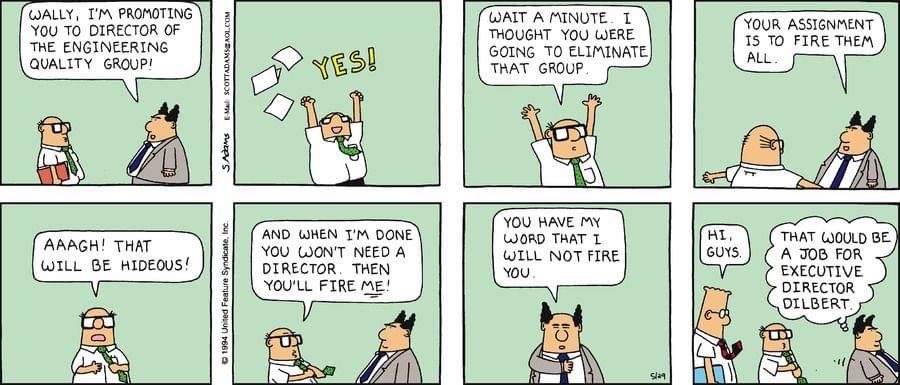
The Disruptors are normally not born dysfunctional employees, rather a result of bad work environments and management.

The Disruptors stay on and hide their disengagement, so-called “quiet quitting”, or they might be “loud quitting” expressing their negative feelings about work to their colleagues. Obviously, their performance is below acceptable. Even worse is that they drain their colleagues of motivation and energy.
Unfortunately, autistic employees are often victims of the Disruptors, since autistic people generally want to be kind and helpful, and being naive about it.
Autistic employees are also prime targets for being fired if they themselves become the Disruptor type. Check regularly where you stand in “type membership” and possibly consider a move inside the company or finding another employer.

In summary, becoming a Disruptor simply must not happen in your career, you are likely to get fired, get a bad reputation and your well-being will be low.
To become a Mildly Disengaged employee is a wake-up call that things need to change. A “bare-minimum” employee attitude to work is simply not good enough for an employer who wants to remain competitive in the marketplace. When companies go through so-called restructuring and lay-offs then most of the fired employees will be from this group (and from the Disruptor group).
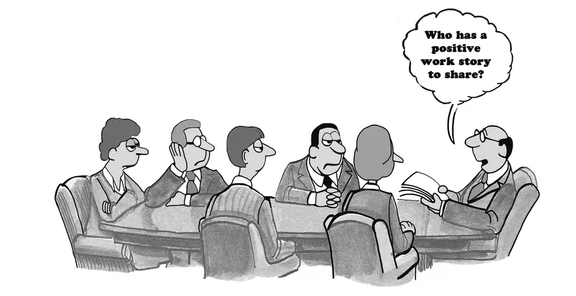
As mentioned before, autistic people are more at risk since they usually lack a support network in the organisation who can protect them in turbulent times, as well as not being well informed about what is going on “politically”. If you find yourself not caring about being pro-active, not sacrificing any private time for the company, thinking your performance and well-being is not good enough, then it is time to take action, including searching for career development opportunities, more flexibility, and a revised job description with more sense of purpose.
A Quitter is about to leave the company or possibly just changing team or division. The reason might be dissatisfaction or that one got a better offer. Sometimes great employees quit because of Disruptors and other toxic colleagues and managers.

There are considerable risks when quitting and is the grass really greener on the other side? Employers are generally not impressed by CV’s with many short employments (less than two years) so that must be taken into consideration. It is worthwhile to analyse which de-motivators are present and which motivators are missing and try to manoeuvre your way into a better position.
Being considerate
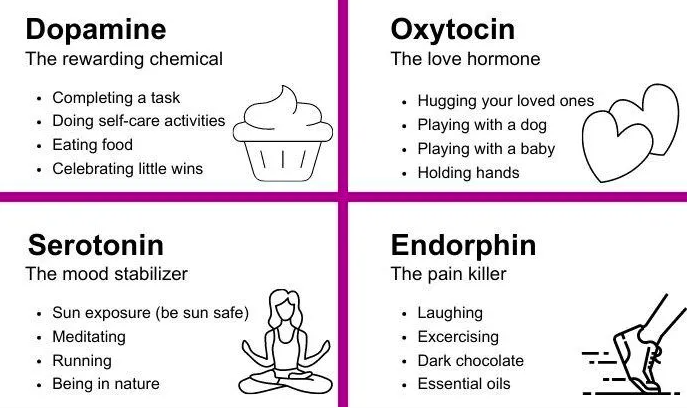
Being considerate of others is part of being a great employee. It is good for the career and also for your health, because it releases the feel-good hormones (endorphins) in our brains. Those hormones in turn help to ease depression, stress and anxiety, as well as improving your self-image and reducing weight. These challenges are frequent with autistic people and cause serious dents both personally and professionally.
.
Being considerate is also a major boost to how others perceive you as a great colleague. Here are some aspects of being considerate.
- Showing up on time. Other people’s schedules are just as important as our own schedule
- Providing tangible help in a tough situation. It is not just about putting ourself in our colleague’s shoes, but actually help actively that makes the difference. Autistic people often have trouble to “read” or take interest in other people’s situations, while still being naturally kind and helpful
- Apologise when you need to and don’t when you don’t. It is critical to apologise, but outright irritating when people apologise for unimportant stuff
- Manners matters. Our manners should not reflect the needs of our own feelings, rather of those around us so that they feel at ease and comfortable
- Try to create win-win solutions for everyone, rather than win-lose. In negotiations, bake a bigger cake and make everyone walk out (long term) satisfied
- When someone is upset or having a bad day, pay attention. It can often easily be detected, but ask to have it confirmed. Be compassionate and offer help
We spend one third of our time at work if employed, a large part of our life and we ought to make it a time of well-being. Being a great employee is part of the success, taking care of our employer, our colleagues and ourselves.
Our special course Securing Your Employment and Career offers a comprehensive guide on how to maintain employment and a career for autistic people. Available from February 2024.
 actuallyautistic.work